
The Complete Guide to Clean Beauty in 2025: Science-Backed Benefits and Top Product Recommendations
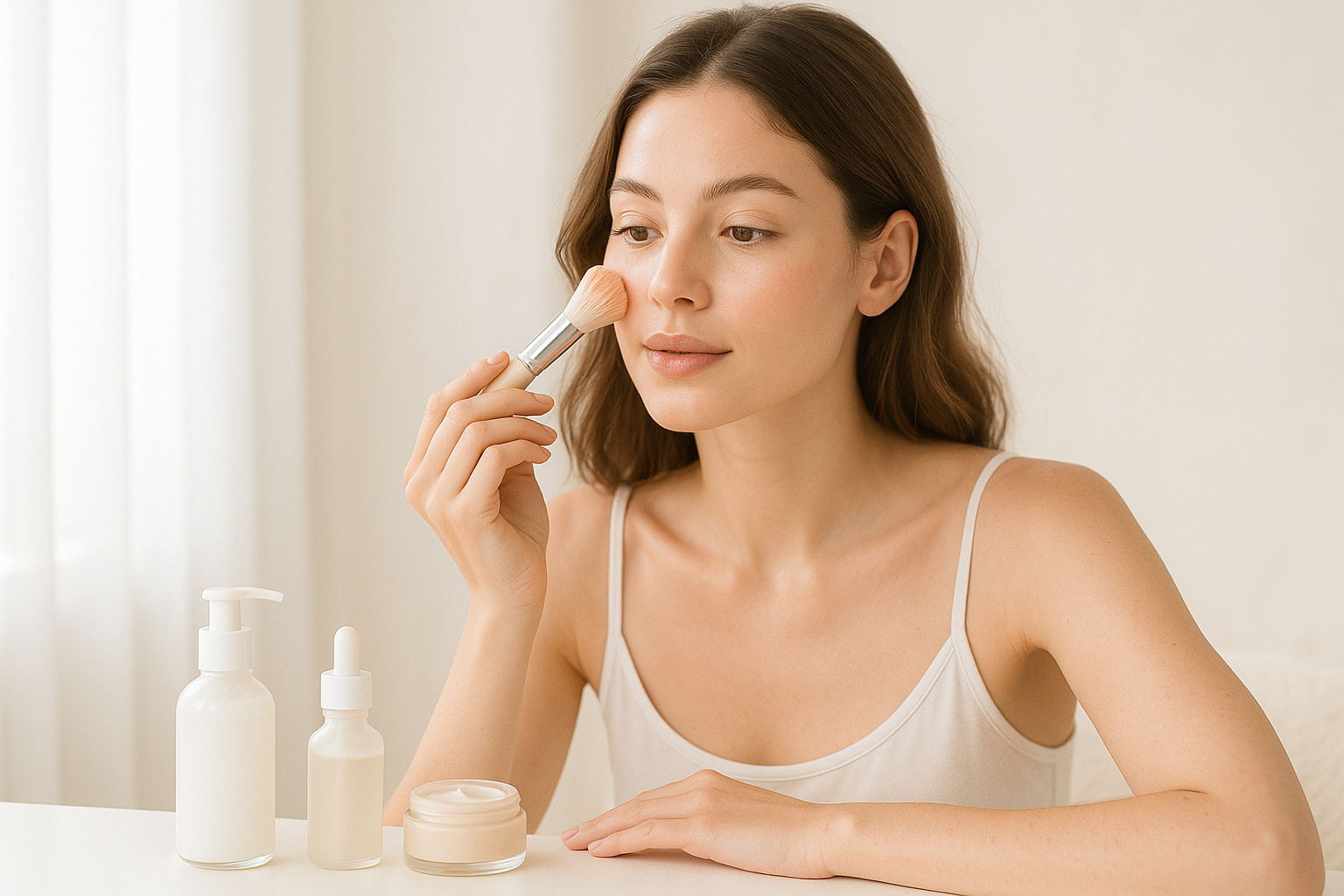
The clean beauty movement has evolved from a niche trend to a scientifically-backed approach to personal care. As we navigate 2025, consumers are more informed than ever about the ingredients they put on their skin, and for good reason. Recent research has shed new light on how cosmetic ingredients affect our health, making clean beauty not just a preference, but a necessity for many.
What is Clean Beauty? The 2025 Definition
Unlike terms like "organic" or "natural," "clean beauty" lacks standardized regulation. However, the beauty industry and scientific community have converged on a working definition: clean beauty products prioritize ingredient safety, environmental sustainability, and transparency while avoiding potentially harmful chemicals.
According to recent industry analysis, clean beauty now represents over 15% of the global beauty market, with sales projected to reach $15.1 billion by 2026.
The Science Behind Clean Beauty: Why It Matters
Skin Absorption and Systemic Exposure
Recent dermatological research has confirmed what clean beauty advocates have long claimed: our skin absorbs more than we previously understood. A 2024 study published in the Journal of Investigative Dermatology found that certain cosmetic ingredients can penetrate the skin barrier and enter systemic circulation within hours of application.
Dr. Morgan Rabach, a board-certified dermatologist and clinical assistant professor at Mount Sinai Hospital, explains: "The skin is not an impermeable barrier. What we apply topically can have systemic effects, which is why ingredient safety in cosmetics is crucial for long-term health."
Key Ingredients to Avoid
The Environmental Working Group's 2025 analysis found that over 1,400 ingredients commonly used in beauty products have potential health concerns:
Parabens: Linked to hormone disruption and reproductive issues
Phthalates: Associated with developmental and reproductive toxicity
Synthetic fragrances: Often contain undisclosed chemicals that can trigger allergies
Formaldehyde-releasing preservatives: Classified as carcinogenic
Heavy metals: Can accumulate in the body and cause toxicity
Benefits of Switching to Clean Beauty
1. Reduced Risk of Skin Sensitization
A 2024 clinical study found that individuals using clean beauty products showed a 40% reduction in skin sensitization reactions compared to those using conventional products.
2. Environmental Impact
Clean beauty products have, on average, 30% lower environmental impact than conventional alternatives, according to recent lifecycle analysis.
3. Long-term Health Benefits
Preliminary studies suggest that reducing exposure to potentially harmful cosmetic ingredients may have long-term health benefits, particularly for reproductive health and cancer risk reduction.
How to Identify Truly Clean Beauty Products
Look for these positive indicators:
EWG Verified certification
USDA Organic ingredients
Cruelty-free certifications
Fragrance-free or naturally scented options
Clear, complete ingredient lists
Red Flag Ingredients to Avoid:
Benzophenone and derivatives
BHA/BHT (synthetic antioxidants)
Coal tar dyes
Triclosan
Top Clean Beauty Products (2025)
Foundation & Complexion
ILIA Super Serum Skin Tint SPF 40 Award-winning foundation combining skincare benefits with natural coverage. Formulated with hyaluronic acid, niacinamide, and squalane.
Winner: Cosmopolitan's 2025 Clean Beauty Awards
100% Pure Healthy Foundation Fruit-pigmented foundation with anti-aging benefits. Made with organic ingredients and free from synthetic dyes.
Eye Makeup
Thrive Causemetics Liquid Lash Extensions Mascara Tubing mascara providing dramatic length without harmful chemicals. Vegan, cruelty-free, and ophthalmologist-tested.
100% Pure Maracuja Oil Mascara Naturally pigmented with fruit extracts and nourishing oils. Free from synthetic dyes and harsh chemicals.
Skincare Essentials
Honest Beauty Gentle Gel Face Cleanser Plant-based formula that calms, refreshes, and hydrates. Vegan and safe for sensitive skin.
Honest Beauty Makeup Remover Wipes Fragrance-free, plant-based wipes gentle on sensitive skin. Hypoallergenic and effective.
Color Cosmetics
Saie Slip Tint Radiant All-Over Concealer Multi-purpose concealer that hydrates while providing natural coverage. Free from parabens and sulfates.
Winner: Cosmopolitan's 2025 Clean Beauty Awards
Building Your Clean Beauty Routine
Morning Routine
Gentle Cleanser: Plant-based, fragrance-free
Serum: Vitamin C or hyaluronic acid
Moisturizer: Clean, non-comedogenic formula
SPF: Mineral sunscreen (zinc oxide or titanium dioxide)
Evening Routine
Makeup Removal: Gentle oil-based or micellar water
Double Cleanse: Follow with morning cleanser
Treatment: Clean retinol or active ingredients
Night Moisturizer: Richer, nourishing cream
Making the Switch: Tips for Success
Start Gradually: Replace products as they run out
Patch Test: Always test new products on small skin areas first
Read Reviews: Look for high ratings and third-party certifications
Invest Wisely: Prioritize products you use daily
Conclusion
The clean beauty movement represents a shift toward mindful consumption and health-conscious living. By selecting products from reputable brands like ILIA, 100% Pure, Honest Beauty, Thrive Causemetics, and Saie, you're supporting companies that prioritize safety, sustainability, and transparency.
Remember, the "cleanest" product is the one that works for your skin type while meeting safety standards. Use this guide as a starting point, but always listen to your skin and consult with dermatologists for personalized advice.
Disclaimer: This post contains affiliate links. As an Amazon Associate, I earn from qualifying purchases at no additional cost to you. All recommendations are based on safety research and consumer reviews. Consult with a healthcare provider before making significant changes to your beauty routine.
Sources
Environmental Working Group. (2025). "EWG Skin Deep® Cosmetics Database." Retrieved from https://www.ewg.org/skindeep/
Cosmopolitan Magazine. (2025). "2025 Clean Beauty Awards: The Best Skincare, Makeup, and Fragrance." Retrieved from https://www.cosmopolitan.com/style-beauty/beauty/a63642010/2025-clean-beauty-awards/
The Good Trade. (2025). "11 Best Clean And Non Toxic Makeup Brands (2025)." Retrieved from https://www.thegoodtrade.com/features/clean-organic-makeup-brands/
U.S. Food and Drug Administration. (2025). "Limited Number of Voluntary Recalls Initiated After FDA Testing of Acne Products." Retrieved from https://www.fda.gov/drugs/drug-safety-and-availability/limited-number-voluntary-recalls-initiated-after-fda-testing-acne-products-benzene-findings-show
Good Housekeeping. (2025). "FDA Announces Recall on Skincare Products From These Brands." Retrieved from https://www.goodhousekeeping.com/beauty-products/a64151517/fda-benzoyl-peroxide-skincare-recall/
Wonnda Magazine. (2024). "Best Clean Beauty Brands And Products In 2025." Retrieved from https://wonnda.com/magazine/clean-beauty-brands-and-products/
Slow North. (2025). "9 Non Toxic and Clean Makeup Brands." Retrieved from https://www.slownorth.com/blogs/journal/9-non-toxic-and-clean-makeup-brands
The Robin Report. (2025). "Inside Beauty Product Recalls." Retrieved from https://therobinreport.com/inside-beauty-product-recalls/
Makers Row. (2025). "Best Clean Beauty Brands | Top 21 Clean Skincare Brands 2025." Retrieved from https://makersrow.com/blog/best-clean-beauty-brands/
Today.com. (2025). "Shampoo, Body Wash, More Recalled Over Life-Threatening Contamination." Retrieved from https://www.today.com/health/recall/skin-care-products-recall-2025-rcna231003